Dive Brief:
- The Northeast and Mid-Atlantic regions are ripe for modern rate design as utilities struggle with affordability concerns and challenges posed by data center growth and rising electric heating loads, the nonprofit Northeast Energy Efficiency Partnerships said in a report issued last month.
- Regulators, utilities, state policy officials and other stakeholders should use rates to encourage energy efficiency and demand flexibility, according to the report, “Modern Rate Design in the Northeast.” They should align rate policy with “new usage patterns” for electric technologies, as well as energy equity and affordability goals, said authors Erin Cosgrove, Luke Miller and Abigail Brown.
- The authors said regulators and policymakers can make progress on those goals by making time-of-use rates opt-out rather than opt-in, among other reforms. That’s despite low adoption of advanced metering infrastructure limiting the types of rates that can be implemented in some states, they said.
Dive Insight:
While rising electricity costs have dominated headlines nationwide, recent research from the Lawrence Berkeley National Laboratory shows the increases are most extreme in California, New England and the Mid-Atlantic regions.
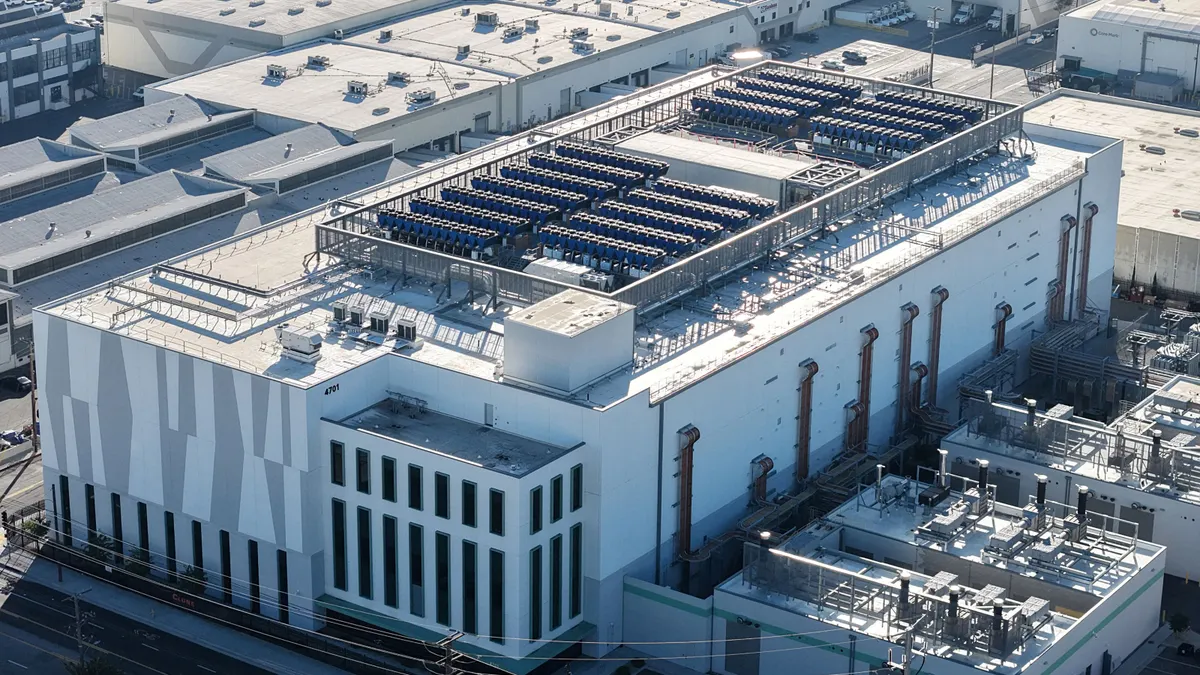
The reasons are complex and geographically-dependent, and researchers and industry leaders are split over the influence of large loads like artificial intelligence data centers. NEEP, which was founded more than 30 years ago to advocate energy efficiency, said in its report that data centers have begun to drive up electric bills in the Mid-Atlantic, even if the long-range price impact remains unclear.
Meanwhile, the Northeast is witnessing a transition from mostly gas to electric space heating, spurred in part by state and utility electrification incentives and volatile gas prices. As that shift gathers pace, NEEP said the Northeast grid could shift from summer to winter peaking in the next 10 to 20 years.
The report looked to states inside and outside NEEP’s coverage area for examples of model policies that could be replicated.
For example, seasonal rates like those implemented by Xcel Energy in Minnesota and several investor-owned utilities in Massachusetts can mitigate the bill impacts of increased heat pump loads while more accurately reflecting lower winter electricity delivery costs, NEEP said.
Other efficiency-minded groups have reached similar conclusions.
In a paper published last winter, the American Council for an Energy-Efficient Economy called heat pump-specific rate plans “commonsense” for both efficiency and equity. Pairing heat pump installations and building envelope upgrades further strengthens the case for such rates, ACEEE added.
And unlike some specialized tariffs, seasonal rates don’t require advanced metering infrastructure — a benefit in New England states with relatively low AMI penetration, NEEP said.
Time-of-use rates can likewise shape load, reducing grid stress and electricity delivery costs during peak periods, NEEP said. But regulators need to ensure adequate protections for “vulnerable customers who are low-income, homebound, rely on medical equipment, or have other nondiscretionary use [and] cannot lower or shift usage,” it added.
Even if customers can’t or won’t adapt their energy consumption habits, NEEP said time-of-use rates “can remove an inherent cross-subsidy from the market” by accurately reflecting the actual cost to deliver power at any given time.
“Electricity prices at off-peak times would no longer be artificially inflated to keep the volumetric rate flat across all hours of the year,” the group said. “Therefore, customers’ bills have the potential to decrease even without behavior modifications.”
NEEP also advised regulators to consider a simple tweak that may significantly improve time-of-use rate adoption: making customers opt out rather than opt in. Of the 13 time-of-use rates included in the group’s analysis, nine saw fewer than 1% of customers enrolled. In contrast, an opt-out peak-time rebate program from Delmarva Power, which serves parts of Maryland and Delaware, reached 93% of the utility’s customers, NEEP said.